
How to Safely Tow a Trailer – A Practical Guide for First-Time Renters
# How to Safely Tow a Trailer – A Practical Guide for First-Time Renters
Towing a trailer for the first time can feel intimidating, but with the right setup and a few proven rules, it’s safer and easier than most people expect.
At 3 M Trailer Rental in Newport, NC, many of our customers are first-time renters hauling anything from debris to vehicles across town or across the country. This guide covers the fundamentals every renter should know before hitting the road.
## Match the Trailer to Your Vehicle
Before loading anything, make sure your vehicle is properly equipped:
Our dump trailer and car hauler both require a 2 5/16\" ball and a functioning brake controller.
## Proper Weight Distribution Matters
Follow these rules:
Improper weight distribution causes sway, poor braking, and loss of control.
## Secure the Load Correctly
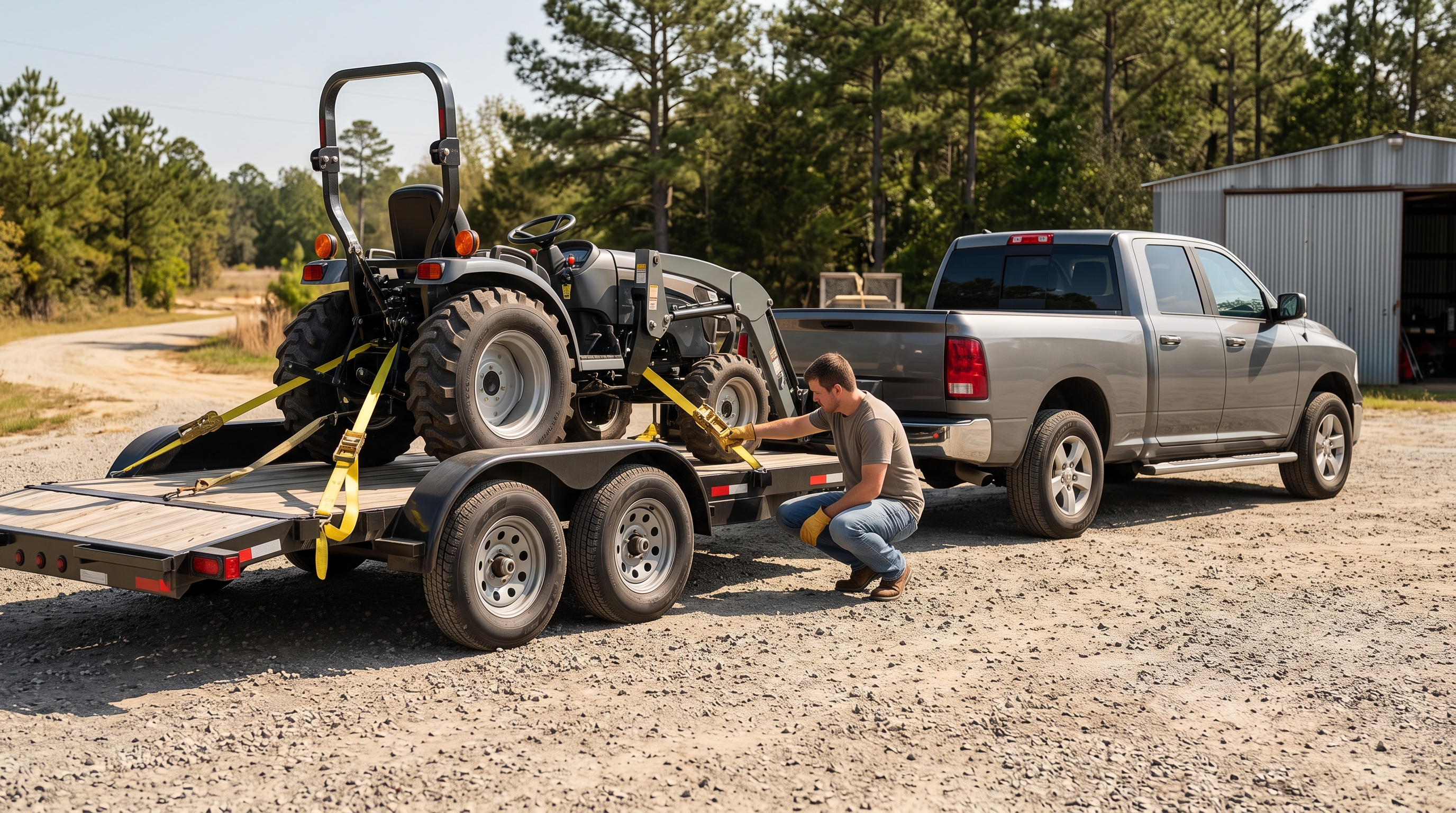
Every load must be tied down, even for short trips.
## Brake Early and Drive Slower
Trailers increase stopping distance significantly.
## Long-Distance Towing Tips
If you’re hauling outside Carteret County:
Our trailers regularly make nationwide trips, and preparation makes all the difference.
Ready to get started? Reserve your trailer online today.
- Correct ball size (2\" or 2 5/16\")
- Proper hitch rating
- Electric brake controller if required
- Adequate tow capacity
- Keep 60 percent of the weight toward the front
- Maintain 10 to 15 percent tongue weight
- Never load heavy items all the way at the rear
- Use rated straps or chains
- Secure vehicles with wheel nets or axle straps
- Use at least four tie-down points
- Re-check straps after the first few miles
- Accelerate slowly
- Brake earlier than normal
- Maintain longer following distances
- Reduce speed in wind or rain
- Check tire pressure before and during the trip
- Stop every 100 to 150 miles to inspect straps and hubs
- Be aware of state regulations
- Carry spare straps